Have you ever sat down to study with big plans and then felt your energy crash like a phone battery dropping from 40% to 2%? You’re not alone. Study stress can turn your brain into a busy browser with 27 tabs open and your body pays the price. When academic pressure builds to the point where you consider you need to “pay someone to write my research paper” just to stay afloat, it’s often a sign that your energy and stress levels need more sustainable support. The good news is that food can help you feel more stable, focused, and ready to learn.
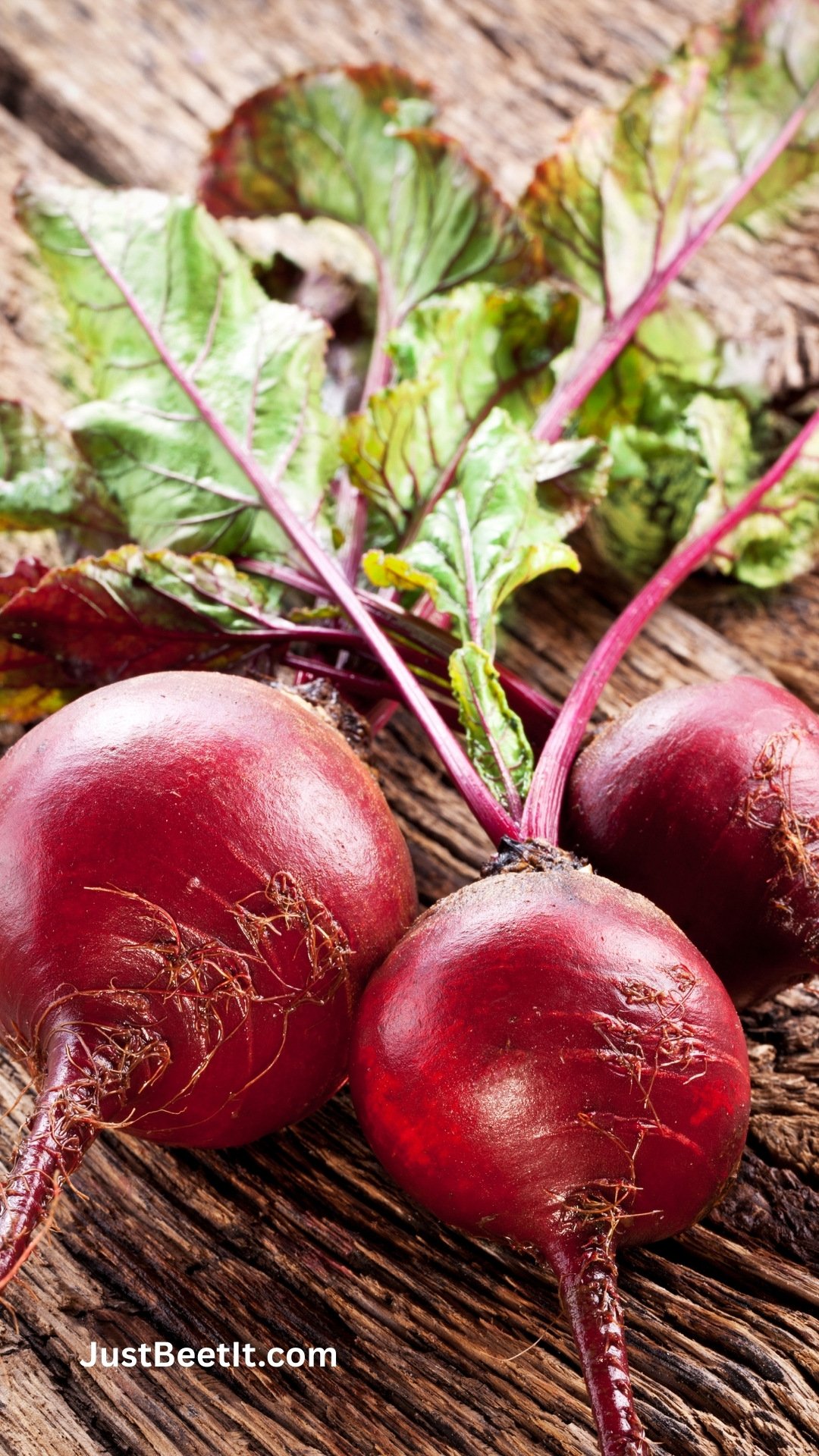
One food that keeps popping up in nutrition conversations is the humble beet. Bright, earthy, and honestly a little underrated, beets can support steady energy in a way that fits student life. Not with magic. Not with “instant genius” vibes. But with real nutrition that helps your body work more smoothly under pressure.
How Study Stress Messes With Your Energy
Stress isn’t just a feeling. It’s a full-body event. When deadlines stack up, your body often switches into “fight or flight” mode. It releases stress hormones like cortisol and, when you’re so overwhelmed you think “I need to find someone to do my assignments for me quickly,” adrenaline as well. That can be helpful for a short push like the final 20 minutes before an exam, but it can also cause problems when stress lasts for days or weeks. That’s why delegating what you can and asking for support can lighten the mental load and make stress feel more manageable.
Here’s what commonly happens:
-Energy spikes, then drops: Stress hormones can raise your blood sugar temporarily. Later, your blood sugar may dip, and you feel tired, shaky, or foggy.
-Sleep gets worse: Less sleep means worse concentration and stronger cravings for sugary snacks.
-Digestion slows down or feels “off”: Some people lose appetite. Others snack all day.
-You crave quick fuel: Chips, sweets, energy drinks because your brain wants fast energy now, not stable energy later.
Think of your body like a car. Stress is like driving with the handbrake slightly on. You can still move, but you burn fuel faster, you overheat more easily, and the ride feels rough. Nutrition can’t remove all stress, but it can make the ride smoother.
Nutrition for Steady Energy During Study Season
“More energy” sounds like “more caffeine,” but steady energy is different. It’s more like a slow-burning candle than a fireworks show. You want your brain powered for hours, not minutes. To support steady energy, aim for these basics:
1. Balanced carbs: Choose carbs that release energy slowly (like oats, brown rice, potatoes, beans, fruits, and vegetables, like beets).
2. Enough protein: Protein helps you stay full and supports stable blood sugar (eggs, yogurt, tofu, chicken, lentils).
3. Healthy fats: Fats help with satisfaction and long-lasting fuel (nuts, seeds, olive oil, avocado).
4. Micronutrients: Iron, magnesium, folate, and vitamin C all matter for energy and brain function.
5. Hydration: Even mild dehydration can make you feel tired and unfocused.
Here’s a simple rule:
If your snack is only sugar, your energy may behave like a roller coaster. If your snack has carbs + protein (and maybe fat), your energy acts more like a train on steady tracks. This is where beets can fit in nicely. Beets offer carbs for fuel, plus special compounds that support how your body uses oxygen and blood flow.
Why Beets Stand Out in a Student Diet
Beets aren’t just “a vegetable.” They’re like a small toolkit in food form.
Beets contain:
-Natural nitrates (important for nitric oxide production)
-Carbohydrates (a real energy source, not just a supplement trend)
-Folate (vitamin B9, supports normal cell function)
-Potassium (helps fluid balance and normal muscle function)
-Antioxidants like betalains (the pigments that make beets red/purple)
How Beets Can Support Steady Energy and Focus
This is the heart of it. Beets don’t “give energy” like caffeine does. They support the systems that help your body deliver and use energy more efficiently, especially during mentally demanding days.
1. Beets boost blood flow and have an amazing “brain fuel delivery” system:
Beets are rich in dietary nitrates. Your body can convert these nitrates into nitric oxide, a molecule that helps blood vessels relax and widen. When blood vessels widen, blood can flow more easily.
Why does that matter for studying? Because blood carries oxygen and nutrients. And your brain is an energy-hungry organ. If you imagine your brain as a busy city, blood flow is the delivery system bringing supplies. Better flow can support how your body handles physical and mental effort.
This is one reason beets are often discussed in sports nutrition, but students can also benefit from the “steady support” idea too. When you’re sitting for hours, tired, and tense, anything that supports your body’s efficiency can help you feel less drained.
2. Beets, Blood Sugar, and the “Crash” Problem
Beets contain carbohydrates, but they also contain fiber (especially when eaten whole), which can slow digestion and help avoid sudden spikes. If you usually study with candy or sweet drinks, you might feel quick energy, short focus, sudden crash, and stronger cravings. Beets can be part of a smarter pattern: pair them with protein or healthy fats so your energy lasts longer.
For example:
-Beet salad + feta or chickpeas
-Beet smoothie + Greek yogurt
-Roasted beets + eggs
-Beet hummus + whole-grain crackers
Steady energy often comes from combining foods, not chasing a single “superfood.”
3. Bonus Benefits: Mood, Recovery, and Study Stamina
Studying is mental, but it’s also physical. Your posture, muscle tension, sleep, and digestion all affect your brain. Beets can support a few helpful areas that students often forget.
4. Antioxidants and the “Rust” Effect
When you’re stressed, your body may produce more oxidative stress. Think of it like tiny “rust” reactions in the body. Antioxidants help balance this. Beets contain betalains, which are antioxidants that give them their strong color.
No, antioxidants won’t erase your exam schedule. But a diet rich in colorful plant foods often supports better overall wellbeing and that can show up as better stamina, fewer slumps, and more stable mood.
5. Folate for Busy Brain Days
Beets are a source of folate, a B vitamin involved in normal cell processes. B vitamins are commonly connected to energy metabolism which is basically how your body turns food into usable energy. When your weeks are packed with classes, assignments, and late nights, getting enough micronutrients can make a real difference in how “heavy” your days feel.
6. Hydration Helpers
Beets also contain water and potassium. If you’re the type who forgets to drink water (many students do), eating water-rich foods helps you stay hydrated. Hydration supports attention, memory, and mood.
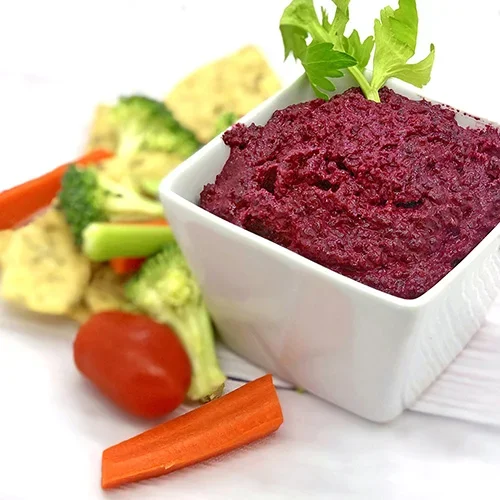
Beet Walnut Dip Recipe
Easy Ways to Eat Beets
Beets can also be eaten a variety of ways. You can eat them roasted, shredded in salads, blended into smoothies, pickled in a savory or sweet brine, or sipped as beet juice. Unlike some “study foods” that require fancy recipes, beets can be simple.
If a food is annoying to prepare, you won’t eat it, so here are a few easy, low-effort options.
Quick, Student-Friendly Beet Ideas:
-Pre-cooked beets (vacuum-packed): Slice and add to salads, wraps, or grain bowls.
-Roasted beets (batch prep): Roast once, eat all week. Add olive oil + salt + pepper.
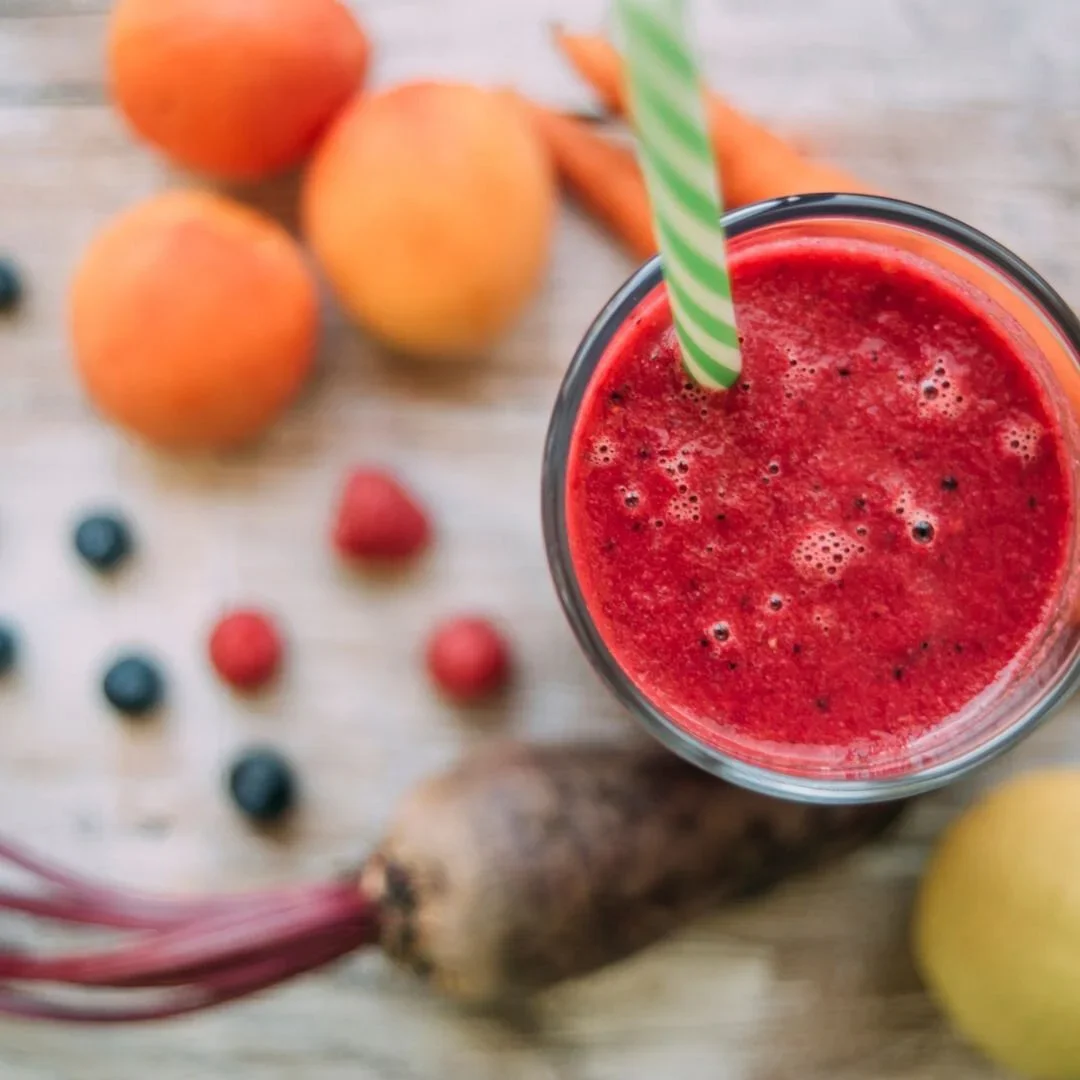
-Beet smoothie: Blend cooked beets with banana, berries, yogurt, and milk (dairy or plant).
-Beet hummus: Mix beets into hummus for a bright dip.
-Beet juice (occasional): Useful when you want convenience, but whole beets usually give more fiber.
Best Times to Eat Beets for Steady Energy
There’s no single perfect timing, but these moments often work well:
* 1–2 hours before a long study session: for a stable base meal/snack
* With lunch: to avoid the afternoon slump
* As part of dinner: to support overall nutrition and recovery
Beet Nutrition and Pink Pee (a few small precautions as each body is unique)
Beets are safe for most people, but keep these in mind: Red or pink urine/stool can happen (it’s called beeturia). It looks scary but is usually harmless. Also, beets contain oxalates, so if you’re prone to kidney stones or have been told to limit oxalates, check with a healthcare professional.
If beet juice upsets your stomach, try smaller amounts or eat whole beets instead. Some people prefer not drinking beet juice on an empty stomach.
Recap:
Study stress can make your energy feel unpredictable like trying to read in a room where the lights keep flickering, but nutrition can help you create a more stable “power supply” for your brain. Beets won’t do the studying for you; however, they can support steady energy by helping your body with blood flow, providing natural carbs, and adding helpful nutrients and antioxidants.
The real win is simplicity: add beets to meals you already eat, pair them with protein, stay hydrated, and aim for steady habits instead of last-minute sugar rushes. When your body feels more balanced, your brain often follows. In exam season, that kind of calm, steady fuel can feel like a superpower.