Why is my urine pink after eating beets?
Many of us have experienced pink pee panic, the horror after seeing an alarming red or pink color in the toilet bowl. Before you freak out, think back to the foods you may have previously eaten that day or the day before.
Did you recently eat beets or drink beet juice? The red or pink color in your urine (and stools) after eating beets can cause much distress and alarm, but the discoloration is a harmless condition called BEETURIA. Yes. It's a thing.
But don’t be alarmed! Beeturia (pink or red pee after eating beets) is normal.
WHY DO BEETS TURN URINE RED OR PINK?
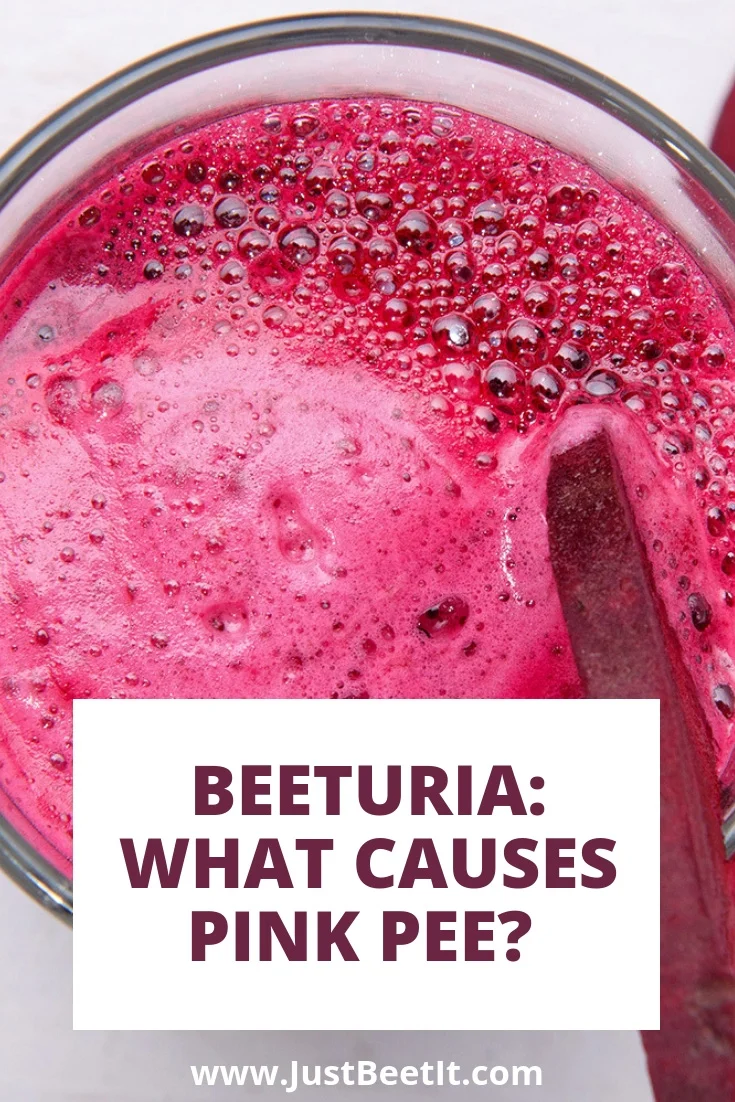
Beeturia (comprised of "beet and "ura") is the appearance of pink, red, or sometimes purple urine after eating beets or foods made with beets, such as beet juice or roasted beets.
The pigment hues and discoloration in urine (or stool) vary from individual to individual.
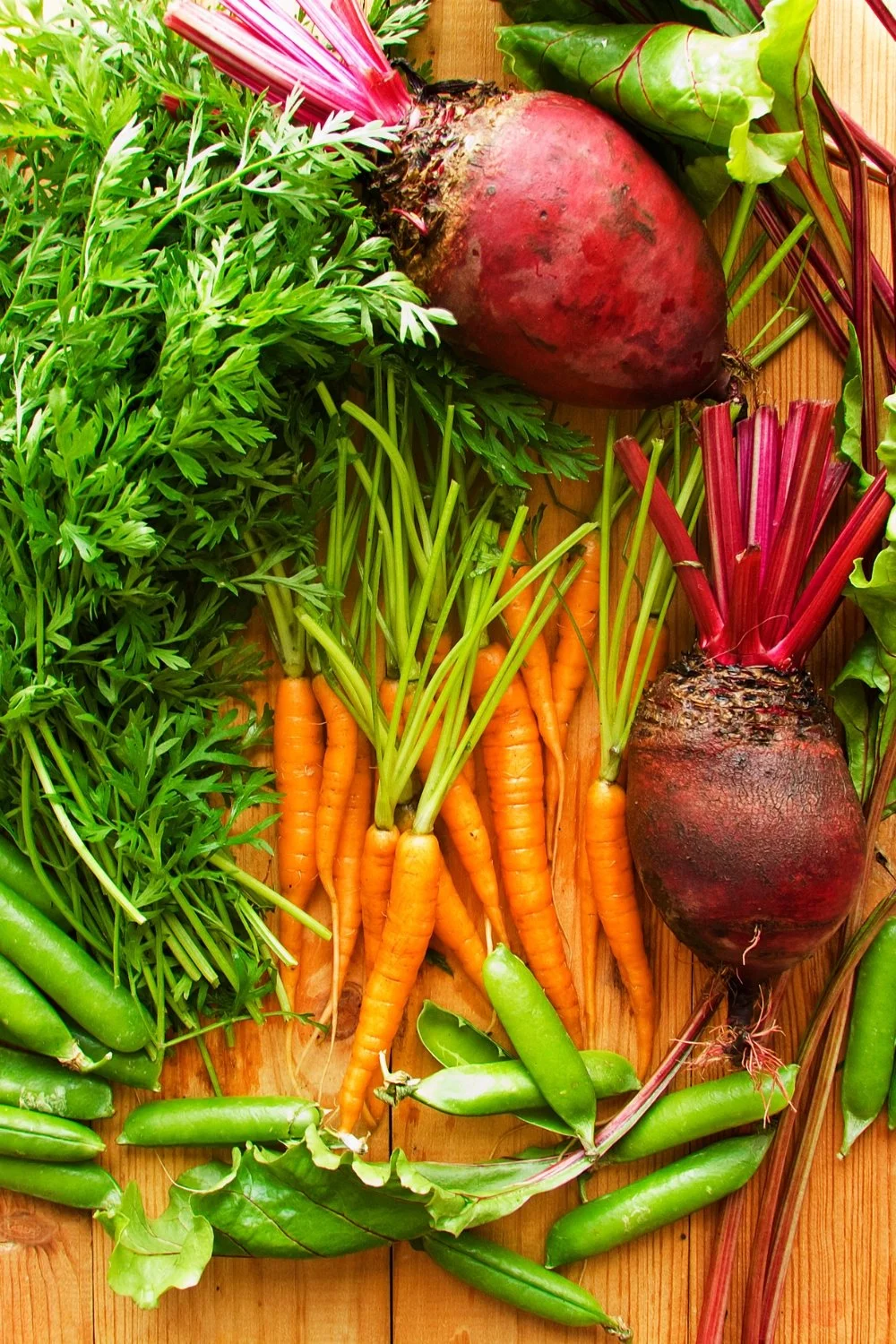
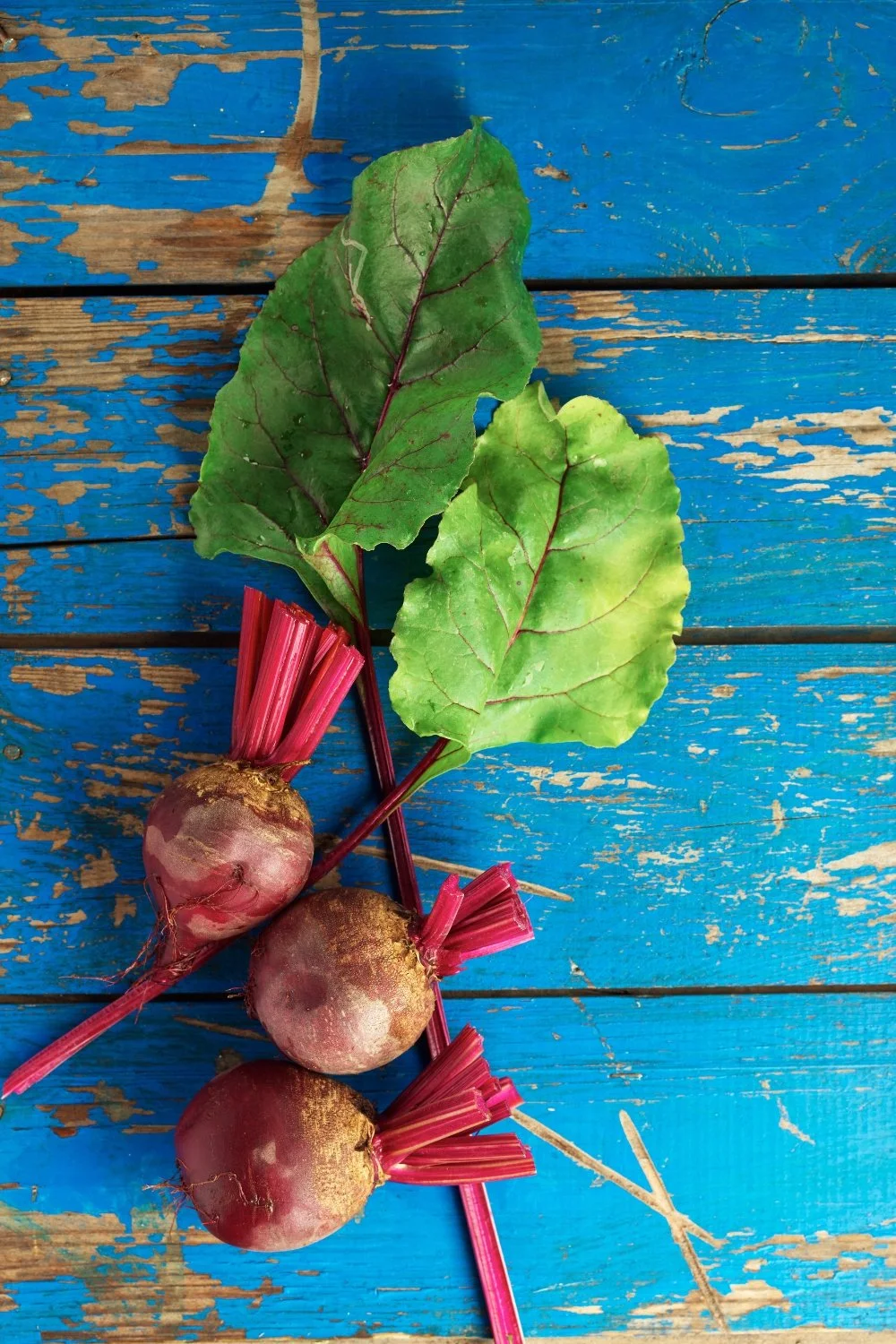
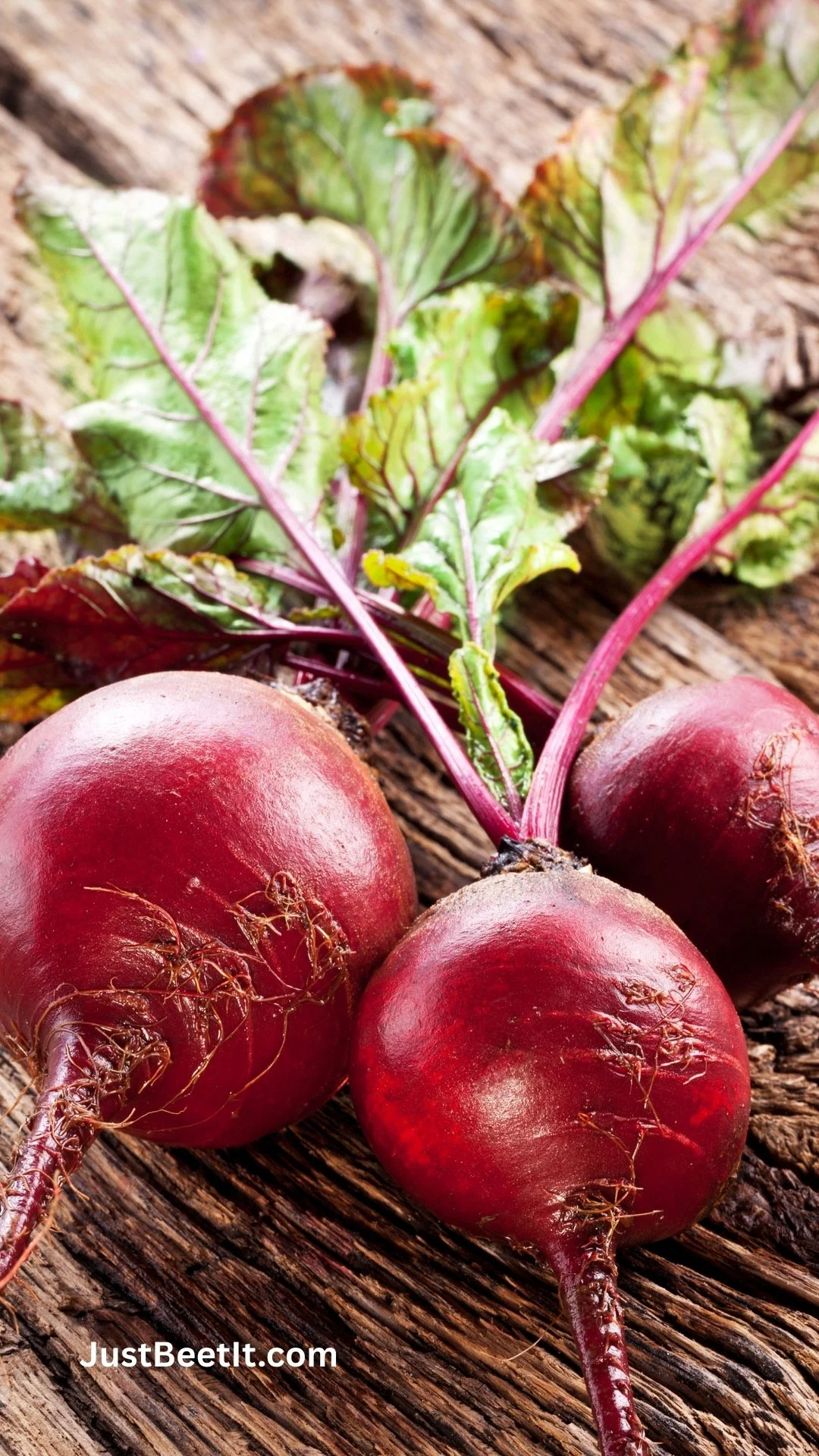
The red or pink color is caused by a pigment in the beet called Betanin (within the family of betalains).
Beeturia occurs in about 10-14% of the population.
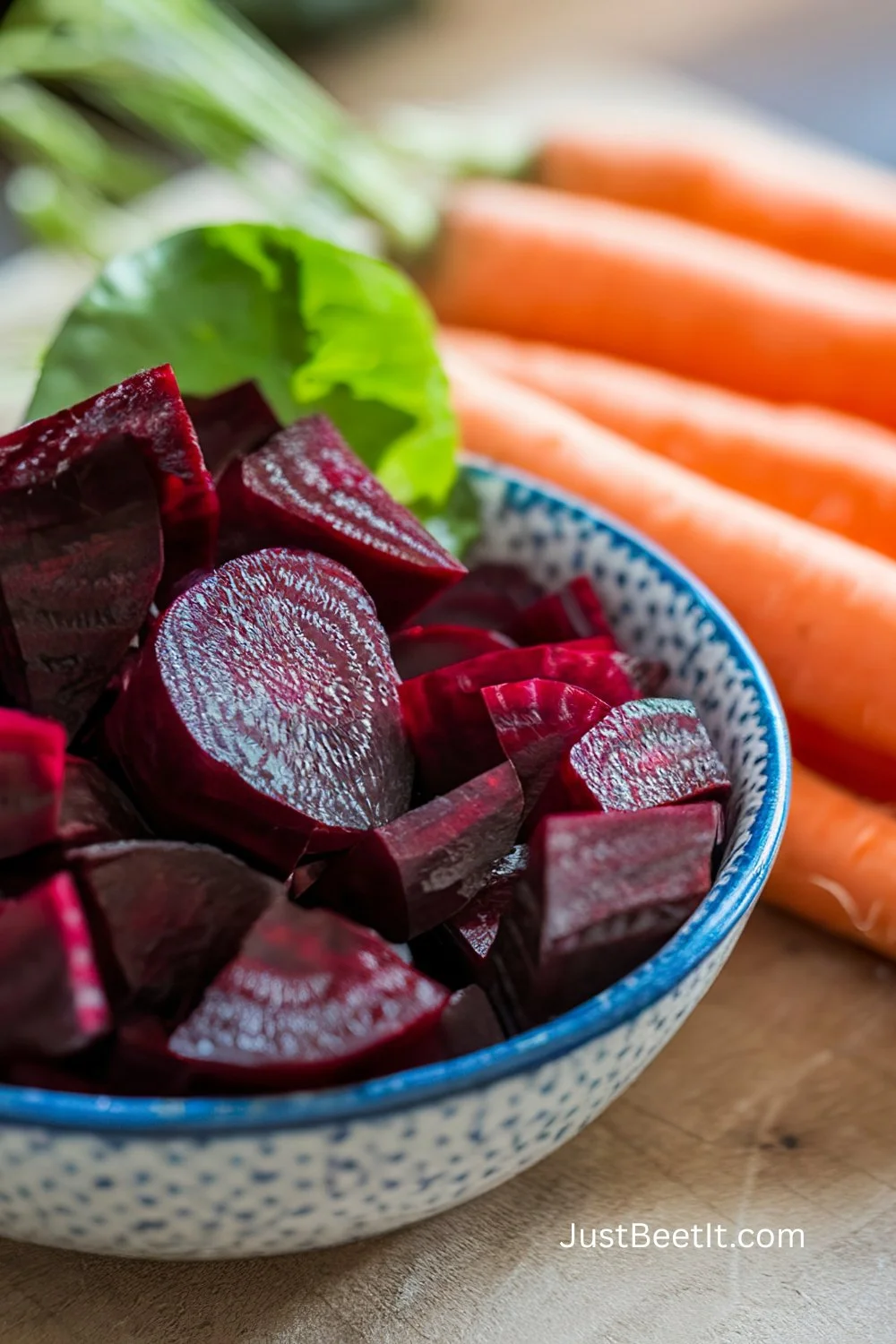
The type of beetroot and how it's prepared may significantly alter beeturia. Raw beet juice and raw beetroot tend to create darker hues than cooked beets.
For many people, the pigment is broken down during digestion. But for others, it travels through the body intact and is excreted in urine creating the noticeable color change. While it can be alarming and psychologically distressing to see pink pee after eating beets, beeturia is usually harmless. Red beets are vibrant, and the discoloration in the urine is caused by the betalain pigments in the beets breaking down and being excreted through the urinary system.
Betalain is an antioxidant which combats those pesky free radicals that cause harm to our health, and this superhero antioxidant is one of the many reasons why we should eat more beets! However, the glorious and healthy pigmentation that provides vast nutritional benefits is also what may cause some alarm as it passes its way out of the body.
WHY DOES BEETURIA HAPPEN TO SOME PEOPLE AND NOT OTHERS?
Although beeturia is harmless, you may be wondering: what causes pink or red urine or poop after eating beets. The studies and evidence vary from iron absorption fluctuations to food allergens to unbalanced stomach acidity (pH levels), all of which are still being analyzed all around the world. Although it's evident that beeturia greatly depends on each person's physiology, the majority of studies focus on the stomach's pH balance as a possible reason for pink or red tinged urine (or stools) after beet consumption. Perhaps our bodies are trying to tell us something?
Natural Beet Pigments
Beets contain powerful antioxidants called betalain pigments. When these pigments aren’t fully broken down in the digestive system, they can be absorbed into the bloodstream and later filtered through the kidneys.
Stomach Acid Levels and Gut Absorption Differences
Each person's digestive system processes nutrients differently. Variations in gut microbiome and intestinal absorption may influence whether beet pigments remain intact. People with lower stomach acidity may be more likely to experience beeturia because the pigments are not completely degraded during digestion.
Stomach acid serves a very important purpose, and the key is finding the "Goldie Locks" balance of stomach acidity - you want it to be "just right." Proper levels of stomach acid are required to adequately absorb many nutrients, such as minerals, vitamin B12, folic acid, and proteins. According to one of the many studies by the Gastrointestinal Center at the University of Manchester, "Hydrochloric acid is normally secreted by the stomach to perform a very important function: to enhance the breakdown and subsequent absorption of the food and nutrients consumed. So part of the cost of low stomach acid is malabsorption or an inability to properly digest and absorb vitamins and minerals."
Therefore, if your stomach acidity is low or compromised, you may be more apt to experience beeturia as your body may not be properly metabolizing and assimilating beetroot pigments. Some people even test their stomach pH levels with beets. Pink pee after eating beets is quite normal, but if it happens every time after eating beets, it wouldn't hurt to take a look at your digestive health.
Iron Levels: Does Beeturia mean Iron Deficiency?
Some research suggests beeturia may appear more frequently in individuals with low iron levels or iron deficiency, though it is not considered a diagnostic sign on its own and iron levels should be evaluated by medical professionals.
HOW LONG DOES BEETURIA LAST?
The color change typically appears within hours and usually clears within 12–48 hours and resolves once the pigments leave your system.
CAN COOKING BEETS REDUCE BEETURIA?
Cooking methods can slightly influence pigment breakdown. Some people notice beeturia more after consuming:
Raw beets
Fresh beet juice
Beet smoothies
Roasting or boiling beets may reduce the concentration of pigments slightly, although it doesn’t eliminate the possibility of beeturia.
IS BEETURIA DANGEROUS?
In most cases, beeturia is completely harmless. It simply means your body is excreting beet pigments after digestion. However, if you have not eaten beets and notice red or pink urine, it’s important to speak with a healthcare professional to rule out other causes.
While you never want to mistake beet pigment for blood, producing pink urine after eating beets is harmless and many people experience it (even those with healthy stomach pH levels sometimes still pee pink - hence the reason studies are ongoing); however, excess color in urine (or stool) could be a sign of of other health-related problems, especially for those with low kidney function or history of kidney stones. If you didn't consume beets and your urine color is red, that should never be ignored as hematuria (blood in urine) can be a sign of a serious disorder. As always, seek the advice of your physician or other qualified health care provider with any questions you may have regarding a medical condition or treatment.
Don't be scared of a little pink or red pee after eating beets! The beet's antioxidants, vitamins, minerals, and fiber are well worth the vibrant hues swirling down the toilet bowl.
When to See a Doctor
While beeturia is harmless, consult a healthcare provider if:
You notice red urine without eating beets
The color persists for several days
You experience pain, fever, or discomfort
You have other symptoms such as fatigue or weakness
These signs may indicate something unrelated to diet.
Have you experienced pink pee panic after eating beets? Share your stories below!
(Article originally published Oct 17 2017 / edited 2025)
Resources
Britton, Edward and John T. McLaughlin. (2013). Ageing and the Gut. Retrevied from https://www.cambridge.org/core/journals/proceedings-of-the-nutrition-society/article/ageing-and-the-gut/A85D096755F5F7652C262495ABF302A0.
Bryan, Nathan S. and Carolyn Pierini. (2013). Beet the Odds: Harness the Power of Beets to Radically Transform Your Health. Austin, Texas: Neogenis Laboratories.
Iwai, Wataru and Yasuhiko Ab, et al. (2013). Gastric hypochlorhydria is associated with an exacerbation of dyspeptic symptoms in female patients. Journal of Gastroenterology. Retrieved from https://link.springer.com/article/10.1007%2Fs00535-012-0634-8.
Low Stomach Acid: A Surprising Cause of Indigestion Symptoms. (2017). Retrieved from https://universityhealthnews.com/daily/digestive-health/low-stomach-acid-the-surprising-cause-of-many-indigestion-symptoms/.
Watts, A.R. and Lennard M.S., et al. (1993). Beeturia and the Biological Fate of Beetroot Pigments. Retrieved from https://www.ncbi.nlm.nih.gov/pubmed/814887.
YOU MAY ALSO LIKE