People track what they eat more than ever before. Apps like MyFitnessPal, Cronometer, and Lose It! have millions of users logging meals daily. One surprising star keeps showing up in the data: the humble beet.
But why? What makes this dark-red root so appealing to people who obsess over nutrition?
Beets Are Nutritional Overachievers
One cup of raw beets contains about 58 calories, 13 grams of carbohydrates, 3.8 grams of fiber, and a solid hit of folate (around 37% of your daily recommended intake). That's a lot of value for very few calories. Plus beets are packed with antioxidants, vitamins, and minerals.
Diet tracking apps reward exactly this kind of efficiency. Users want foods that do more with less.
The Numbers Don't Lie
Statistics back this up. According to a survey by the International Food Information Council, 52% of Americans actively track their food intake in some form and nearly 1 in 3 use a dedicated app. Within plant-based food logs, beets consistently rank among the top 10 most-searched vegetables.
Cronometer users alone log beets over 200,000 times per month. That's not a coincidence.
Keep in mind that all health and nutrition tracking apps contain a lot of personal data. Protecting your data is a smart approach. To eliminate the risk of personal information being intercepted during transmission, you can start with a free VPN trial. Even a free VPN offers encryption, monitors password leaks, and hides your online activity from any third parties.
Why Apps Love Nutrient-Dense Foods
Apps are built around scores. Nutrient density scores, macro ratios, micronutrient completeness: the whole system rewards foods that are rich in vitamins and minerals relative to calories. Beets check every box.
Beets contain vitamin C, potassium, manganese, iron, and B vitamins. All of that in a small, cheap, widely available package. It makes sense that diet tracking apps surface them frequently in recommendations.
Nitrates: The Secret Weapon
One word: nitrates. Beets are exceptionally high in dietary nitrates: natural compounds that the body converts into nitric oxide. Nitric oxide relaxes blood vessels and improves circulation.
Athletes noticed first. Studies, including a notable one published in the Journal of Applied Physiology, found that beet juice can greatly improve endurance performance in some participants. Fitness-focused app users caught on fast.
Beets and Blood Pressure: A Well-Documented Link
High blood pressure affects roughly 1.28 billion adults worldwide, according to the World Health Organization. Diet is a primary lever for managing it.
Beets lower blood pressure. Multiple clinical trials confirm this. A 2012 meta-analysis found that beet juice reduced systolic blood pressure by an average of 4.4 mmHg. For app users managing cardiovascular health, that data point matters enormously.
The Color Factor in Healthy Diet Tracking
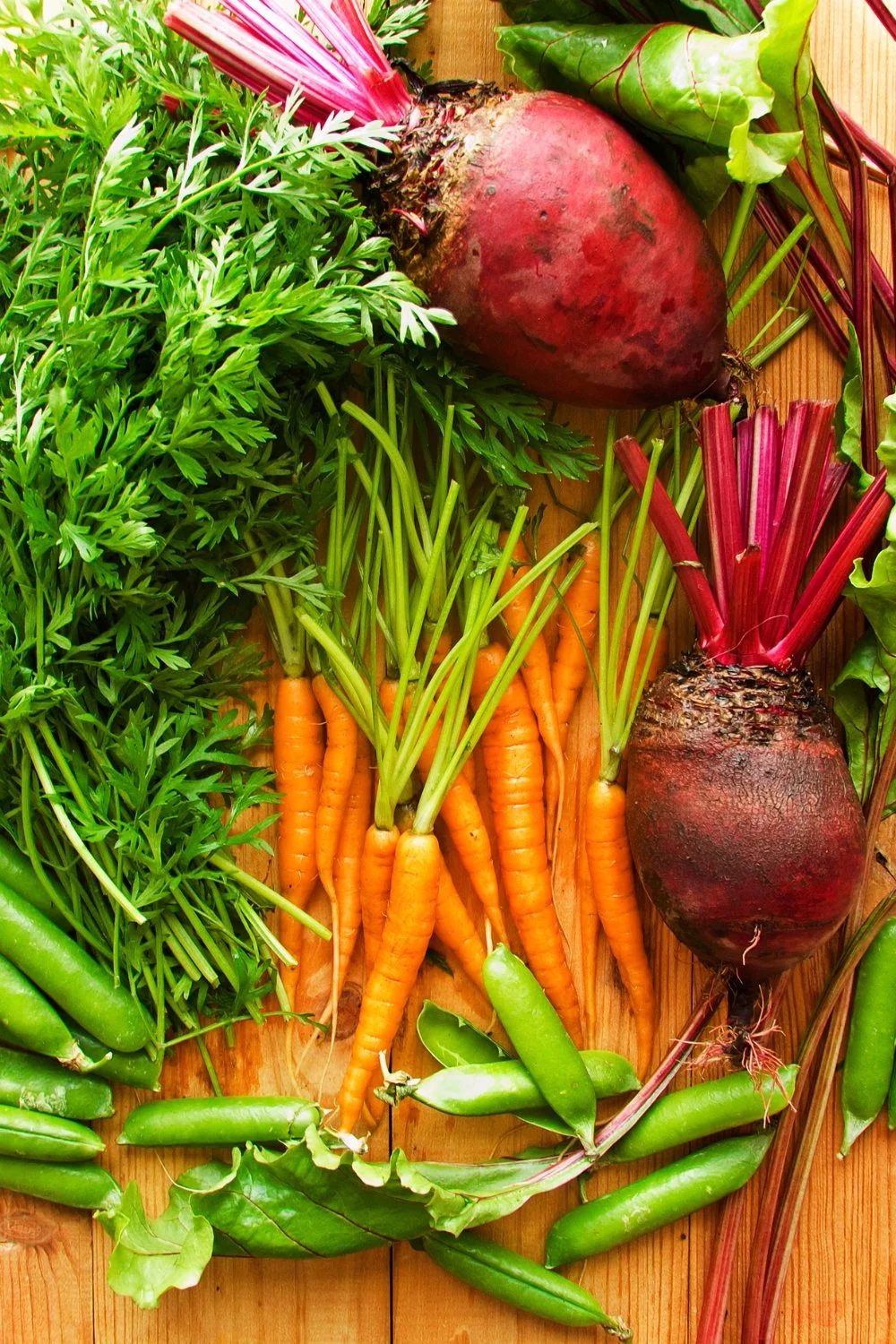
Diet tracking apps increasingly emphasize "eating the rainbow." The idea is simple: the more colors on your plate, the more diverse your phytonutrient intake. Beets bring a color almost nothing else provides: deep, vivid crimson-purple.
That color comes from betalains, powerful antioxidants with anti-inflammatory properties. Apps that analyze diet diversity flag beets as a unique contributor. Users trying to hit color variety goals reach for beets specifically because no substitute exists.
Gut Health Is Having a Moment
Gut microbiome research has exploded. Users of diet tracking apps now regularly seek out prebiotic foods that feed beneficial gut bacteria. Beets contain betaine and fiber, both of which support digestive health.
Apps with gut health modules, like Zoe or newer versions of Cronometer, specifically tag beets as gut-friendly. That tag alone drives logging behavior significantly.
Accessibility and Cost: Underrated Factors
Fancy superfoods often fail the cost test. Açaí, spirulina, and moringa are effective but expensive. Beets are very cost effective. A bunch of beets at a farmers market runs $2–3. Canned beets are even cheaper and nearly as nutritious.
Apps targeting broad demographics (not just wealthy wellness enthusiasts) need affordable options to recommend. Beets deliver.
The Social Proof Loop
When beets are popular in diet tracking apps, more users see them suggested, log them, and share results. That creates social proof within communities inside apps. "I lost 8 pounds this month eating more beets" shows up in forums, feeds, and success stories.
Taste and Flexibility
There are many ways to eat beets, such as raw in salads, roasted with olive oil, blended into smoothies, pickled, and juiced. Few vegetables adapt to this easily. Recipe modules inside diet apps can generate dozens of beet-based options that suit users at every skill level. That flexibility keeps engagement high and keeps beets popular as a staple recommendation across the entire healthy diet app ecosystem.
Simple Food, Complex Appeal
Beets succeed in diet tracking apps for the same reason they succeed on dinner tables. They're dense with nutrients, affordable, versatile, scientifically backed, and visually distinctive.
In a world drowning in supplement noise and trend-chasing, the beet is just quietly doing the job, and the data confirms it every single day.