Ditch the caffeine crash during exams. Discover how the natural nitrates in beet juice offer steady, brain-boosting energy to help you ace finals week without the jitters.
It’s 2 AM. The campus library hums with nervous energy, the silence broken only by frantic keyboards. Finals week brings a desperate search for anything that will keep your eyes open long enough to memorize organic chemistry structures.
Students have long turned to massive doses of synthetic caffeine and refined sugar to power through these grueling all-nighters. Most people know the routine: the initial buzz, the frantic productivity, and the inevitable crash that follows.
The debate over healthy study aids versus synthetic stimulants is ongoing on campuses everywhere. You could easily buy argumentative essay papers dissecting the pros and cons of caffeine availability in dorms. But what if the solution comes straight from the garden? Consider the humble, powerful beet as your new study buddy.
The Crash Course in Synthetic Energy
Energy drinks feel like a lifesaver in the moment. They provide an immediate rush of dopamine and adrenaline, convincing your body to feel alert. However, that liquid energy is often just a borrowed chemical high.
Once the massive dose of liquid sugar clears your system, your blood glucose plummets. This sudden drop leaves you foggier, more irritable, and more fatigued than before you popped the tab. Furthermore, the excessive caffeine load can cause severe anxiety right when you need calm focus to recall information.
Turning to sugary energy drinks during exam season often creates a cycle of diminishing returns:
● The Sugar Crash: A rapid drop in blood sugar causes sudden fatigue and brain fog. This strikes right in the middle of a difficult reading assignment.
● Increased Anxiety: Excessive stimulant intake triggers jitters, heart palpitations, and an inability to sit still.
● Dehydration: Caffeine functions as a diuretic. Severe dehydration further impairs cognitive function and concentration.
● Sleep Disruption: Energy drinks consumed in the afternoon can ruin your sleep cycle. This makes the next day of study even harder.
The Science of Beets
Unlike the synthetic jolt of an energy drink, beet juice offers a different power mechanism rooted in physiology. Beets are incredibly rich in dietary nitrates. When you consume raw beet juice, your body converts these nitrates into nitric oxide.
Nitric oxide functions as a vasodilator because it relaxes and widens blood vessels. This vasodilation significantly improves blood flow and oxygen delivery throughout the body. For students, studies suggest this increased blood flow targets the brain's frontal lobe, the area responsible for executive function and intense focus.
Sustained mental clarity is necessary for complex academic tasks. The demands of high-pressure academics remain immense. Experts like Dr. Susan L. Woodward, a blog writer for EssayService, often discuss this exact topic when writing about student stress.
While an essay writing service handles your written output, beet juice optimizes your biological brain power. Switching to beetroot juice offers distinct advantages over caffeine bombs:
● Improved Cerebral Blood Flow: Nitric oxide delivers more oxygen to the brain for better cognitive function and sharper recall.
● Sustained Energy Release: You avoid sudden spikes or crashes. The juice provides steady endurance to complete long reading assignments.
● Natural Stress Management: Beets lower blood pressure. This helps manage the physical symptoms of academic stress.
A Quick Note on Harmless Side Effects
Before you stock your dorm fridge with these powerful root vegetables, you should know about two harmless physical reactions. Understanding these quirks prevents unnecessary panic during a late-night study session:
● Beeturia: The rich pigments can turn your urine pink or red. This visual change is completely harmless and simply proves the dietary compounds are passing through your system.
● Stomach Sensitivity: Concentrated shots can feel harsh on an empty stomach. Always consume these powerful liquids alongside a small snack to prevent mild nausea.
Dietary Adjustments for Cram Time
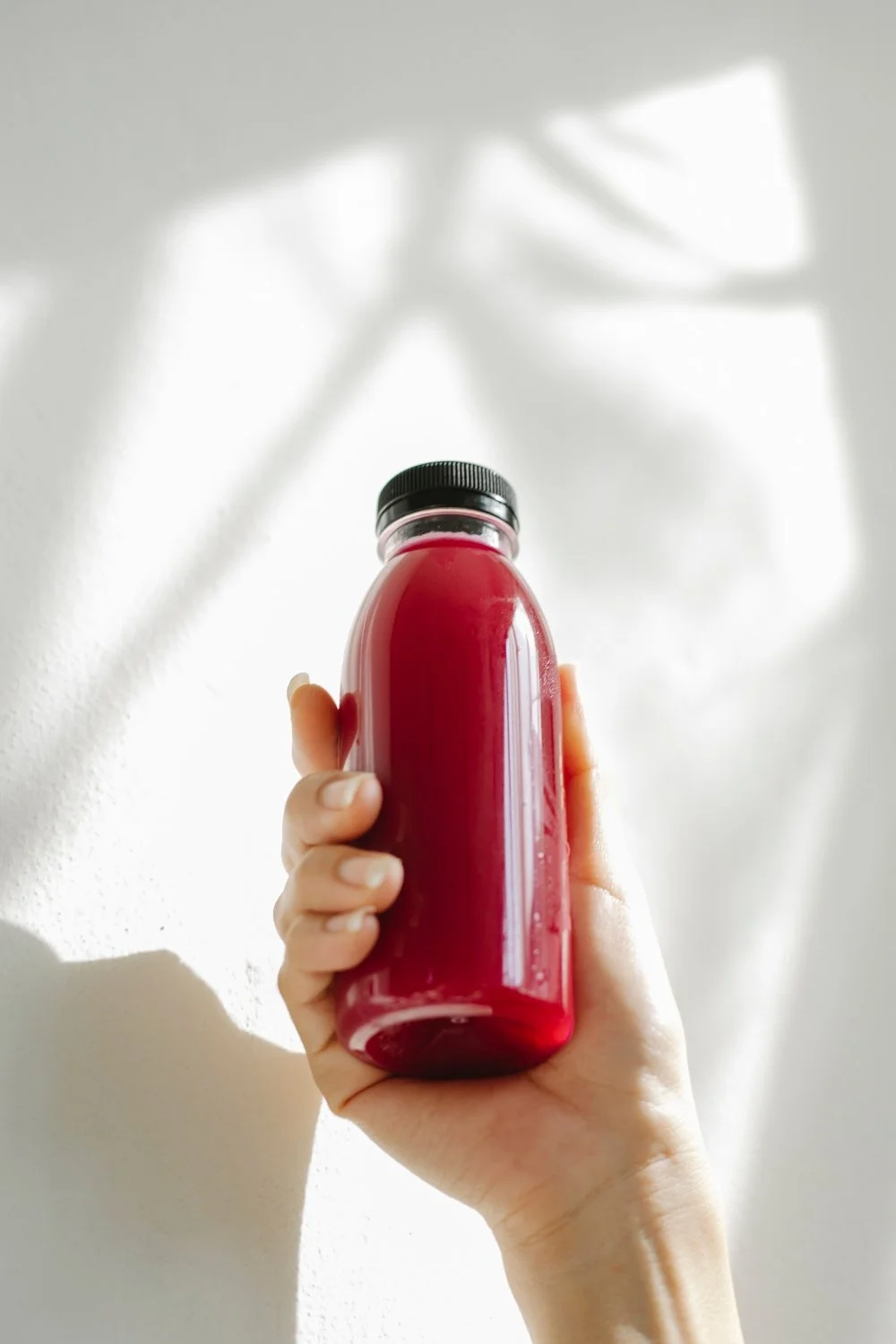
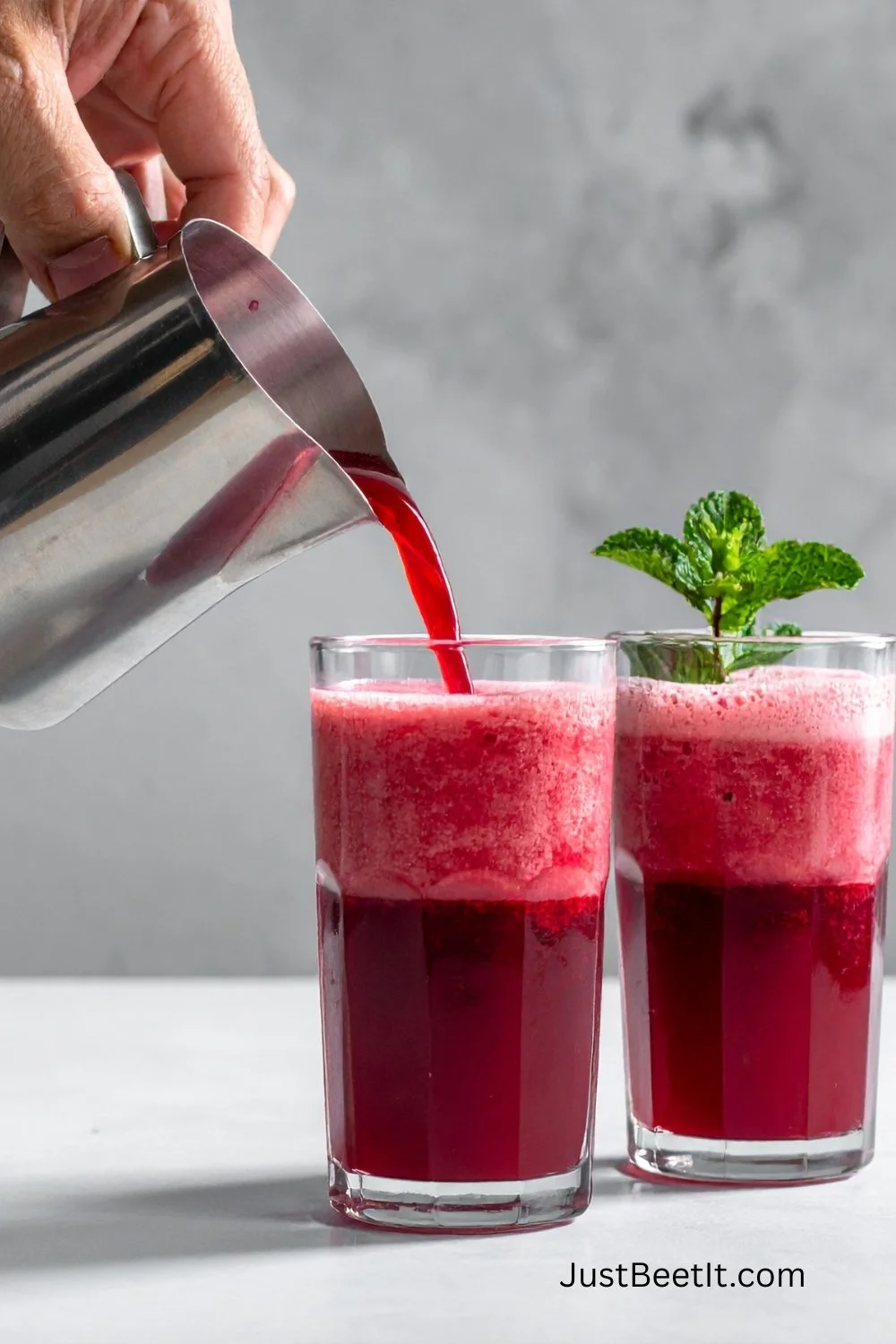
You do not have to start a massive cooking project in your dorm kitchen to get these benefits safely. The easiest way to access this brain boost is through raw beet juice or concentrated shots found at most grocery stores. The key is strict raw consumption, as it’s possible that heat can degrade some of the nitrates.
If the earthy taste is too strong for your palate, try a quick blend with apple, carrot, or ginger juice. This sweetens the deal naturally without adding refined sugars.
Here are a few easy ways to incorporate beets into your study routine:
● The Pre-Exam Shot: Take a concentrated beet juice shot about 90 minutes before a test begins. This ensures peak blood flow during the exam.
● The Library Smoothie: Blend raw beets with berries, a banana, and spinach. This creates a sustaining meal replacement shake.
● The Crunchy Snack: Although not beet juice, eating beets has benefits too. Keep dehydrated beet chips on hand for mindless breaks. This benefits your brain instead of greasy potato chips.
● The Backpack Powder: Toss a few travel-sized packets of beetroot powder into your bag. You can mix them into a water bottle for a quick, jitter-free lift.
● The Study Group Dip: Bring beetroot hummus to your next group project meeting. Paired with veggies, this bright pink spread provides complex carbohydrates alongside the natural nitrate boost.
Finals week is a marathon, not a sprint. While energy drinks offer a quick burst of speed, they almost guarantee you will burn out before the finish line.
Choosing the natural vasodilator properties of beet juice gives you steady, calm, and sustained mental energy. Ditch the neon cans and embrace the root to power through your exams successfully.