Proper food storage is the system of temperature, packaging, humidity, and handling practices that keep food safe while slowing nutrient loss after harvest, cooking, and processing. Using the right food storage techniques determines whether you get to fully enjoy the food you buy or whether it quietly deteriorates in the back of your fridge.
Globally, about one-third of all food produced is wasted, and a large share of that loss occurs at the household level due to spoilage and storage errors. When storage conditions are wrong, vitamins degrade, fats oxidize, texture declines, and food is discarded before it should be.
Root vegetables like beetroot are a perfect example: they can last for weeks when stored correctly but may spoil more quickly when exposed to excess moisture or heat. Beets, which are rich in folate, fiber, and antioxidants, also lose their nutritional value when improperly handled. This guide explains how storage affects nutrient retention, why improper storage drives food waste, and how to store foods like beets, leafy greens, and proteins effectively.
Why Does Proper Food Storage Matter for Nutrient Retention?
Proper food storage matters because nutrients break down faster when exposed to excess heat, oxygen, moisture, and light. Even nutrient-dense foods like beets continue to undergo enzymatic and chemical changes after harvest.
Vitamin C oxidizes, B vitamins degrade with heat, and natural pigments such as betalains in beets are sensitive to light and temperature. Storage practices control these reactions by limiting exposure to damaging conditions.
Temperature slows reaction rates, which is why storing fresh beets in a cool environment helps preserve their color and nutrients.
Light exposure accelerates oxidation, especially in colorful vegetables.
Moisture balance also matters because excess humidity encourages microbial growth.
When these factors are controlled, nutrient retention improves significantly.
How Does Improper Storage Lead to Food Waste?
Improper storage leads to food waste by accelerating spoilage and reducing food quality before consumption. Beets, for example, can become soft, moldy, or dehydrated if stored incorrectly. Once the texture and flavor change, people are more likely to discard the food. Spoilage is often preventable with correct storage techniques. Packaging failures and poor airflow accelerate deterioration. Label confusion also leads to unnecessary disposal of still-edible food. When produce like beets is stored alongside ethylene-producing fruits, it may degrade faster. Storage awareness reduces waste by maintaining quality and usability.
What Nutrients Are Most Sensitive to Storage Conditions?
Nutrient degradation is the breakdown of vitamins, fats, and bioactive compounds caused by environmental exposure. Foods like beets contain sensitive nutrients such as folate and antioxidants that require proper storage. Understanding vulnerability helps prioritize preservation methods.
Vitamin C: Oxidizes quickly in exposed produce
B vitamins: Degrade with heat and water
Antioxidants: Sensitive to light and oxygen
Natural pigments: Break down with prolonged exposure
Water-Soluble Vitamins
Water-soluble vitamins dissolve in water and degrade easily. Beets are a source of folate, which declines when exposed to heat and air. Cutting fruits and vegetables increases exposure, accelerating nutrient loss.
Airtight storage slows degradation.
Fat-Soluble Vitamins
Fat-soluble vitamins are vulnerable to oxidation. While beets are lower in fat, the oils used in beet recipes can degrade quickly. Properly storing oils helps maintain the overall quality of meals. Dark, cool storage environments are ideal.
Proteins and Healthy Fats
Proteins degrade mainly through microbial activity, while fats degrade through oxidation. Beet-based dishes that include nuts or dairy require careful storage. Temperature control is essential for safety and quality. Combining correct methods preserves nutrients effectively.
What Are the Main Food Storage Methods?
Food storage methods control environmental conditions to preserve food quality. Each method serves a specific function depending on the type of food. Beets, for example, respond well to refrigeration and controlled humidity. Choosing the correct method extends shelf life and reduces waste.
Refrigeration
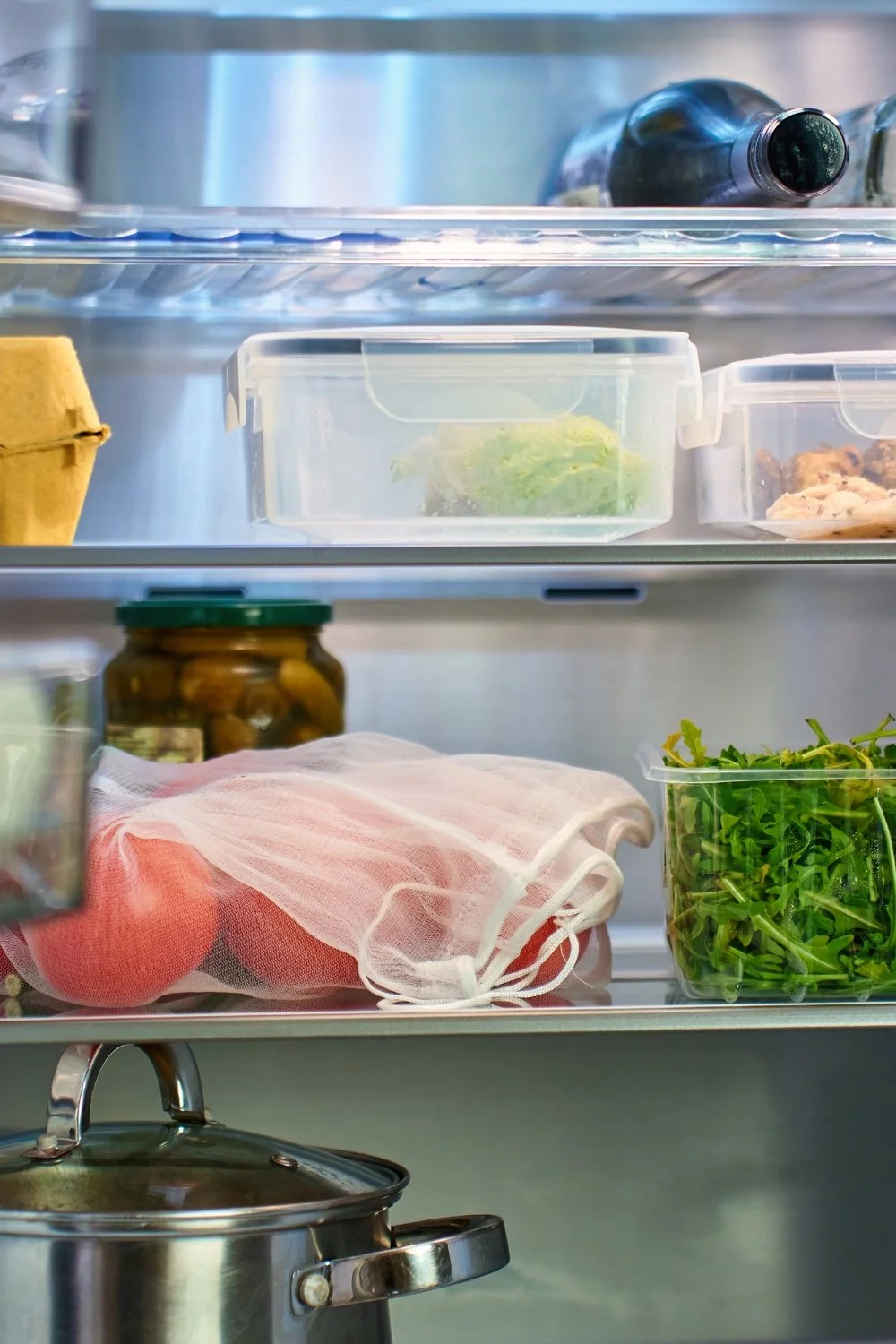
Refrigeration is the storage of food at low temperatures to slow spoilage. Fresh beets can last many weeks when stored properly in the refrigerator. Removing beet greens before storage helps extend shelf life, as the greens draw moisture from the root. Cold temperatures reduce microbial growth and slow nutrient degradation. In professional environments, consistent temperature control is critical. High-quality refrigeration systems help maintain stable conditions. For example, commercial kitchens often rely on commercial refrigeration to ensure consistent cooling. Even at home, organizing your fridge correctly improves storage efficiency.
What Foods Should Be Refrigerated?
Foods that spoil quickly should be refrigerated. Beets, leafy greens, dairy, and cooked meals fall into this category. Cold storage slows spoilage and preserves nutrients.
Fresh beets (with greens removed)
Leafy vegetables
Dairy products
Cooked leftovers
Cut fruits and vegetables.
Meats
Advantages of Refrigeration
Refrigeration offers multiple benefits. There are 5 main advantages.
Extend freshness by slowing microbial growth.
Preserve nutrients by reducing oxidation.
Improve safety by lowering bacterial activity.
Support meal prep through stable storage.
Reduce waste by extending usability.
Limitations of Refrigeration
Refrigeration has limitations. There are 4 main disadvantages.
Fail to completely stop spoilage.
Dry out produce if not sealed properly.
Damage certain foods if too cold
Lose efficiency when overcrowded.
Freezing
Freezing is the storage of food at very low temperatures to preserve it for long-term storage. Cooked beets freeze well and retain much of their nutritional value. Freezing slows both microbial and chemical activity. However, texture may soften after thawing.
Refrigeration vs Freezing
Refrigeration is for short-term storage, while freezing is for long-term preservation. Freezing extends shelf life significantly but may alter texture.
Dry Storage
Dry storage is used for shelf-stable foods. While fresh beets require refrigeration, powdered or dehydrated beet products benefit from dry storage. Low humidity and cool temperatures prevent spoilage. Airtight containers improve stability.
Vacuum Sealing
Vacuum sealing removes air, reducing oxidation. It is useful for storing cooked beets and prepared meals. Reduced oxygen slows degradation. This method improves freezer storage results.
How to Store Fruits and Vegetables Properly?
Proper storage involves controlling temperature, humidity, and airflow. There are 6 steps:
Remove damaged produce
Separate ethylene producers
Use correct humidity settings.
Keep produce dry
Use airtight containers
Rotate older items forward.
How to Store Meat, Fish, and Dairy Safely?
Protein storage requires strict temperature control. There are 5 steps:
Refrigerate immediately
Store in sealed containers
Freeze when needed
Thaw safely
Keep dairy sealed
Storage Infrastructure and Fabrication Quality
Stainless steel kitchen storage systems are durable, hygienic solutions that support food safety. They improve airflow, organization, and cleanliness. High-quality systems are manufactured using precision fabrication processes. For example, fiber laser cutting machines are used to create accurate, food-safe metal components.
Better fabrication improves durability and sanitation. This reduces contamination risks and supports proper storage practices. Reliable infrastructure enhances long-term food preservation.
What Are the Benefits of Proper Food Storage?
Proper storage provides clear advantages. There are 6 benefits:
Save money by reducing waste.
Preserve nutrients in foods.
Improve food safety
Maintain flavor and texture.
Support efficient meal planning.
Reduce environmental impact
Proper food storage is a practical system that protects nutrients and reduces waste. Foods like beets demonstrate how correct storage can extend shelf life while preserving valuable nutrients. When temperature, moisture, and airflow are controlled, food remains usable longer. Simple habits such as refrigeration, airtight storage, and proper organization make a measurable difference. By applying these principles, you create a more efficient, sustainable kitchen. Food lasts longer, nutrients are preserved, and waste is minimized.